

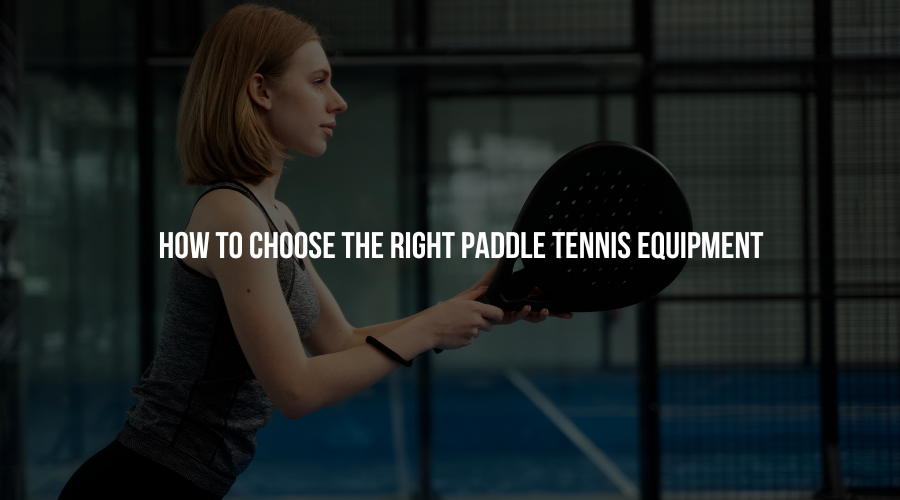
When you step onto a padel court, your equipment isn’t just about looking the part—it directly impacts your performance, comfort, and even longevity in the sport. Whether you’re a beginner seeking a smooth learning curve or a seasoned player chasing that perfect swing, this guide dives deep into choosing racquets, balls, shoes, grips, and court gear with precision. You’re not just reading another checklist—you’ll leave with expert-level clarity on gear that fits you and maximizes your game.
Padel – Why It Matters for Gear
Padel has its own specific equipment standards, ball dynamics, and court design, which directly influence the type of gear you should use:
Court dimensions: A standard padel court measures 10 × 20 meters and is enclosed with glass and mesh walls that are actively used during play.
Racquets: Padel racquets are solid, perforated, and slightly heavier, designed for control, precision, and quick reactions in an enclosed court.
Balls: Padel balls are lower-pressure than regular tennis balls, helping slow the game slightly and improve control during rallies.
Understanding these factors is essential for choosing the right gear and getting the best performance on a padel court.
Choosing the Right Padel Racquet
Head Size & Shape
- Oversize/large round: Oversized sweet spot that offers greater forgiveness, making it ideal for beginners.
- Mid-size/oval or teardrop: Balanced sweet spot—good for intermediate, all‑round play.
- Small/diamond shape: Perfect for competitive players who demand both precision and impact.
Weight and Density
- Light (≤360 g): Increased control, less power—ideal for beginners.
- Medium (360–379 g): Balanced performance—ideal for all‑rounders.
- Heavy (≥380 g): Maximum power, less maneuverability—better for experienced players .
Core density affects feel: soft cores absorb shock (better for control and comfort) while firm cores enhance power.
Balance Point
- Head-heavy: Power-driven swings.
- Handle-heavy: Quick handling and control.
Each feel unique on the padel court—demo to find yours.
Materials & Surface
- Carbon fiber: Lightweight, stiff, durable .
- Fiberglass/glass fiber: Softer flex and feel, easier on joints.
- Core materials: EVA for firm control; foam for cushioned power.
Handle Size & Grip
Select a grip size that fits your hand comfortably to maintain a firm hold and avoid slipping or twisting of the racquet during play. Overgrips help fine-tune thickness and absorb sweat. The continental-style grip suits padel, echoing traditional tennis technique.
Surface Texture
Perforations in the racquet reduce air resistance and enhance touch, while matte or textured grip finishes boost ball control and spin on the padel court.
Padel Balls – Pick the Right One
Pressure and Bounce
Padel balls are designed with lower internal pressure than regular tennis balls, helping to slow down gameplay and improve control on smaller courts.
Durability and Bounce Retention
Look for balls with consistent pressure retention, rubber quality, and resistance to splitting—especially if playing outdoors.
Bag & Storage Considerations
Like rackets, balls should be kept in cool, dry places—avoid extreme heat. Small mesh ball bags are both convenient and functional.
Shoes & Court Gear – Move Smart on the Court
Court-specific shoes: Lateral support and durable soles suited to padel court surfaces.
Steer clear of running shoes, as they tend to wear out quickly and offer less traction, increasing the risk of slipping.
Additional gear:
Bags: Compartments for racquets, balls, shoes, and clothes; some with insulated sections
Gloves/Grips: Better hold in hot or humid conditions
Accessories: Items like vibration dampeners, ball carts, hoppers, bench-side gear bags, and moisture-wicking clothing
Building a Court-Ready Kit – Step‑by‑Step
- Assess your level & style (past play, mobility, goals).
- Select a padel racquet matching the right shape, weight, and density.
- Demo if possible—feel matters most.
- Pick balls specifically designed for the pace and surface of a padel court.
- Choose shoes with the right tread and lateral support.
- Invest in bags and accessories to preserve gear and stay organized.
- Maintain regularly: inspect the racquet for cracks, regrip handles, and replace worn balls and shoes on time.
FAQ – Your Most Common Questions Answered
-
Q1: What’s the best padel racquet weight for beginners?
Every 1–2 years, or immediately if cracks/delamination appear.
-
Q2: How often should I replace my padel racquet?
Start light—340–360 g—for easier handling and control.
-
Q3: Can I use tennis balls?
No—tennis balls are higher-pressure and too bouncy; use official padel balls.
-
Q4: Are padel rackets compatible?
No—padel rackets and balls are different specs and may not perform well or be legal.
-
Q5: What shoe tread works best?
Non-marking court shoes with herringbone patterns offer optimal traction and lateral support.
-
Q6: Should the handle match tennis grip sizes?
Yes, choose grip sizes (circumference) similar to tennis grips; test before buying.
-
Q7: How do I maintain equipment?
Keep rackets out of heat, re-grip as needed, replace balls/shoes proactively based on usage and wear.
Conclusion & Call to Action
Choosing the right padel equipment is integral to your success on the court. From racquet head shape to ball pressure, shoe tread, and grip feel, every decision shapes your performance. Demo gear, match your style to the padel court, and maintain your setup diligently.
Ready to elevate your game? Visit a local padel shop for a demo session or join a beginner’s clinic to test gear in real play. And if you’re about to hit the court, share your experience or questions below—you’re now equipped to make an informed choice that lasts.